June 2022
NIMH Workshop on PET-MRI
Speakers
Audrey P Fan
University of California, Davis
Talk: Leveraging simultaneity of PET/MRI for brain physiology
Andreas Hahn
Medical University of Vienna
Talk: Advantages of complementary fPET and fMRI in the assessment of task-specific brain responses
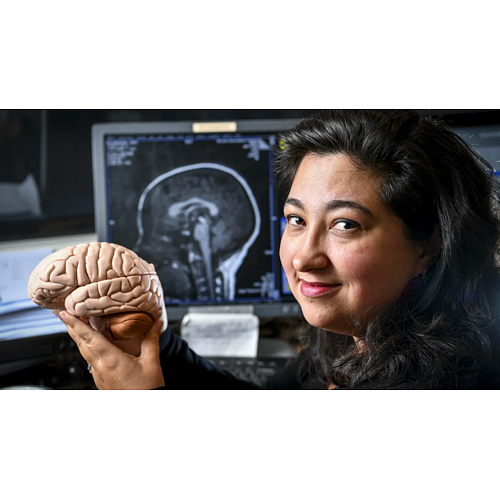
Sharna Jamadar
Monash University
Talk: The application of simultaneous PET/MR to the study of human brain function
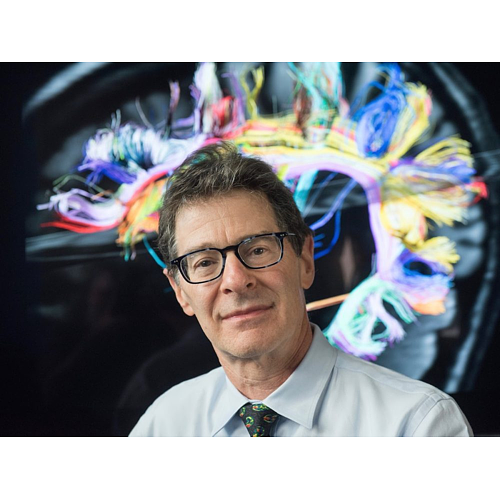
Bruce Rosen
Martinos Center for Biomedical Imaging, Massachusetts General Hospital / Harvard Medical School
Talk: PET/MR – looking forward and back
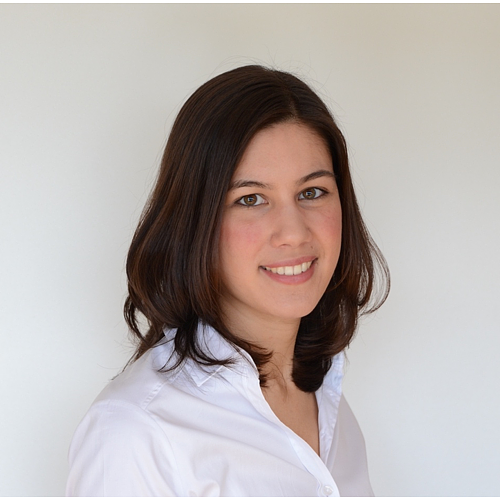
Christin Sander
Martinos Center for Biomedical Imaging, Massachusetts General Hospital / Harvard Medical School
Talk: From neuroreceptor binding to brain function with PET/fMRI
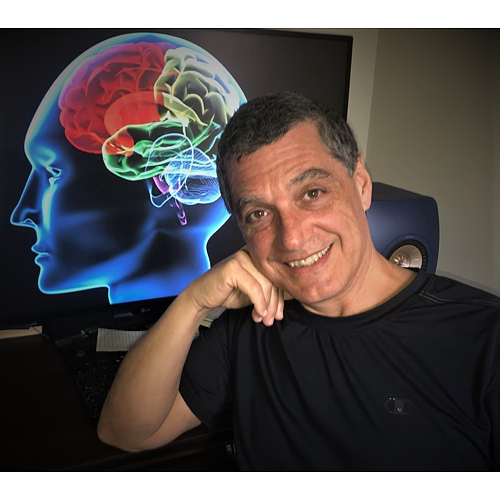
Dardo Tomasi
National Institute on Alcohol Abuse and Alcoholism
Talk: The speed of dopamine increases modulates brain function and reward in humans: findings from simultaneous PET/fMRI studies